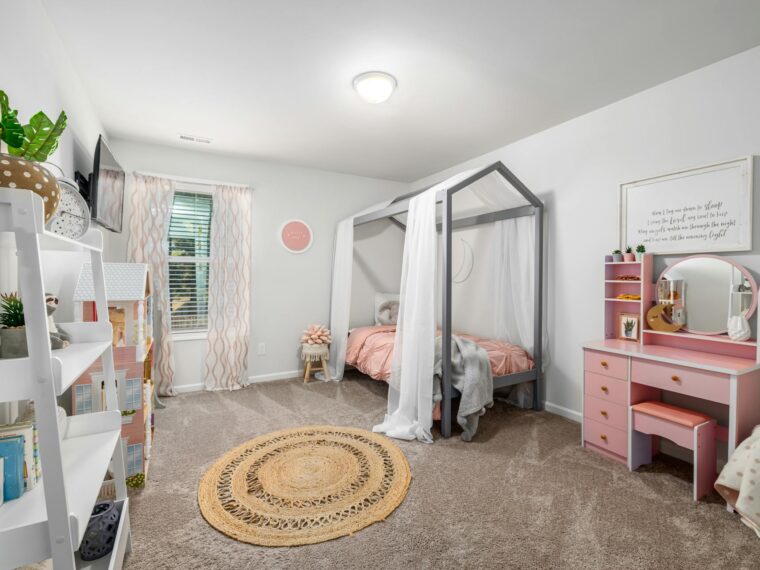
Transforming a child’s bedroom from a simple sleeping area into an imaginative wonderland can have surprising benefits beyond aesthetics. House beds—charming bed frames designed with pitched roofs resembling miniature cottages—have captured parents’ attention for their unique ability to merge practical sleep solutions with opportunities for creative play. But are these whimsical designs merely trendy, or do they genuinely support children’s development and wellbeing?
House beds serve as more than just sleeping areas, becoming spaces where children play, explore, and express themselves through imaginative activities like pretend homes, castles, or forts. This dual functionality makes them particularly appealing for families seeking furniture that grows with their children’s changing needs.
The Safety Advantages of Low-Level Design
Reducing Fall Risks
One of the most compelling practical benefits of house beds lies in their typically low-to-ground construction. Most house beds have mattresses at floor level, meaning children who roll out during sleep are far less likely to injure themselves than with higher beds. This design consideration proves particularly valuable during the transition from cot to bed, when young children are still mastering nighttime spatial awareness.
The low-to-ground design makes house beds safe for early sleepers, with many models featuring front panels that create secure sleeping areas whilst reducing the risk of falling out during the night. Parents gain peace of mind knowing their child’s first independent bed minimises injury risks.
Accessibility for Young Children
Beyond safety, low beds provide independence. Toddlers can climb in and out without assistance, encouraging self-sufficiency during bedtime routines and early morning wake-ups. This autonomy aligns with child development principles that emphasise allowing children age-appropriate control over their environment.
Supporting Imagination Through Design
Children often use house beds as pretend homes, castles, or forts, engaging in imaginative play that proves crucial for cognitive and emotional development. The architectural frame creates a defined space that children naturally incorporate into their play narratives, transforming bedtime from a potentially fraught transition into an adventure.
When considering Kids House beds for your home, think about how the design might spark your child’s creativity. Some parents add fairy lights, bunting, or fabric panels to personalise the space, whilst others leave the natural wood frame bare for a minimalist Scandinavian aesthetic.
The structure of house beds provides comfort whilst remaining open, light, and airy, making them fun and appealing enough that children may be less likely to resist bedtime. This can lead to significantly less bedtime frustration for both children and parents.
Longevity and Adaptability
Growing With Your Child
House beds are typically recommended for children aged 2 years and older, remaining suitable as children grow. Many designs accommodate standard single mattresses, meaning the bed can serve children from toddlerhood through to age eight or nine. One of the key benefits is that house beds can grow with your child, lasting from the toddler stage into early childhood.
This longevity represents excellent value compared to transitional toddler beds that children quickly outgrow. Rather than purchasing multiple beds as your child develops, a well-chosen house bed remains functional for years.
Size and Space Considerations
House beds come in various sizes including twin, full, and even queen sizes, making them appropriate not just for children but potentially for teens who appreciate the charming design. However, whilst many qualify as single beds, their structure and design may occupy more floor space than average single beds, so measuring the room and accounting for other furniture proves important.
Ceiling height deserves consideration too, especially for raised designs or bunk-style house beds, as the roof frame adds height beyond typical bed measurements.
Frequently Asked Questions
What age is appropriate for transitioning to a house bed?
House beds are particularly well-suited for toddlers transitioning from cribs to their first beds, typically from age 2 onwards. The low height and enclosed design provide security that makes this milestone smoother. However, every child develops differently, so readiness depends on individual climbing abilities and sleep patterns.
Do house beds follow Montessori principles?
Many house bed designs align with Montessori education philosophy. Montessori house beds promote independence, freedom of movement, and child empowerment through their simple yet stylish floor-level frames. This approach allows children to enter and exit their beds autonomously, fostering self-regulation around sleep.
Are house beds difficult to assemble?
Assembly complexity varies by model and manufacturer. Look for options with clear instructions and consider whether you’ll need assistance. Most wooden house beds require basic tools and an hour or two for assembly, similar to standard flat-pack furniture.
Can house beds accommodate storage needs?
Some designs include built-in storage or space underneath for trundle drawers. Many house beds offer the option to add a trundle, providing handy under-bed storage or creating a guest bed with an additional mattress. This flexibility proves valuable in smaller bedrooms where space optimisation matters.
What materials work best for house beds?
Most house beds feature wooden construction, typically pine or similar woods, which creates a warm, cosy aesthetic. Wood provides a cosier feel than metal alternatives, though metal can resist small scratches and dings more effectively. Quality construction matters more than material—look for sturdy joints and smooth finishes.
Conclusion
House beds represent more than a passing design trend. Their combination of safety features, imaginative play opportunities, and longevity makes them a thoughtful choice for families creating nurturing bedroom environments. The low-level design reduces injury risks whilst promoting independence, and the charming aesthetic transforms bedrooms into spaces children genuinely want to spend time in.
When selecting furniture that will feature prominently in your child’s daily routine for years, prioritising both function and joy makes sense. House beds deliver on both fronts, supporting development whilst creating magical spaces where childhood memories are made.
Featured image: Photo by Curtis Adams: https://www.pexels.com/photo/fabric-over-the-bed-in-the-carpeted-bedroom-10486190/