Garden gates serve as both functional necessities and design statements that shape first impressions whilst defining property boundaries. The right gate enhances security, complements architectural styles, and withstands British weather conditions for years of reliable service. Yet with countless materials, styles, and configurations available, selecting appropriate gates overwhelms many homeowners navigating decisions balancing aesthetics, durability, budget, and practical requirements. Understanding key considerations, material advantages, and installation essentials ensures your investment delivers lasting satisfaction rather than premature replacement or ongoing frustration.
Why Quality Gates Matter
Gates represent your property’s welcome point, creating immediate impressions that influence how visitors perceive your home before they’ve even knocked. Well-chosen gates complement architectural styles whilst expressing personal taste through design details—from traditional cottage charm to sleek contemporary minimalism.
Beyond aesthetics, quality gates provide essential security controlling property access whilst deterring unwanted visitors. Robust construction, secure latches, and appropriate heights prevent unauthorised entry protecting families, pets, and possessions. For homes bordering busy roads or public spaces, gates also safeguard children and animals preventing dangerous wandering.
Durability proves equally crucial. Gates endure constant use, weather exposure, and mechanical stress from hinges and latches. Inferior materials or poor construction lead to sagging, rotting, or hardware failure requiring expensive replacement or constant maintenance. Quality gates withstand decades of service with minimal attention beyond basic care.
Popular Gate Materials and Their Characteristics
Timber Gates
Wooden gates offer timeless appeal and natural warmth that complements virtually any garden style. Softwoods like pressure-treated pine provide economical options suitable for most applications, whilst hardwoods such as oak, iroko, or sapele deliver exceptional longevity and premium aesthetics justifying higher initial costs.
Timber’s versatility enables diverse design possibilities—picket styles evoke cottage charm, horizontal slats create contemporary looks, and solid tongue-and-groove boards provide maximum privacy. Natural wood accepts stains and paints easily, allowing colour customisation matching fencing or architectural features.
Maintenance requirements vary by timber type and treatment. Pressure-treated softwoods resist rot effectively though benefit from periodic staining maintaining appearance. Hardwoods weather gracefully to silvery-grey patinas if left untreated, or maintain original tones with annual oil applications.
Metal Gates
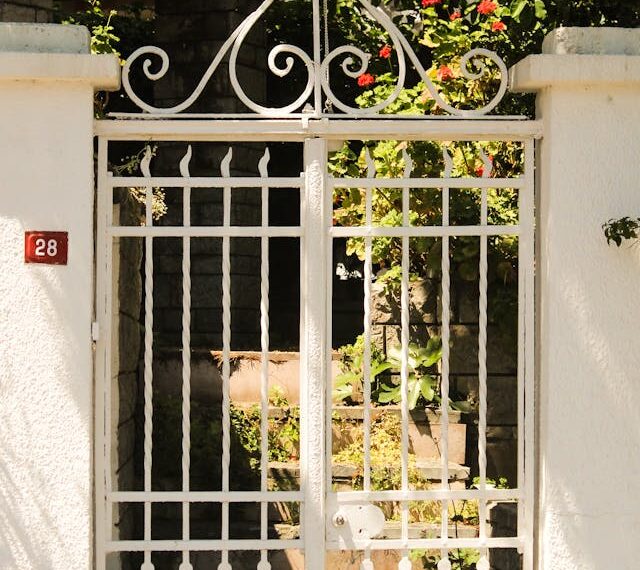
Wrought iron and aluminium gates deliver exceptional durability with minimal maintenance. Powder-coated finishes resist corrosion whilst offering colour choices beyond traditional black. Ornate metalwork suits period properties, whilst clean-lined designs complement modern architecture.
Metal gates prove particularly secure—robust construction resists forced entry more effectively than timber alternatives. However, they typically cost more than wooden equivalents and offer less design flexibility for DIY customisation. Professional installation often proves necessary given weight and precision requirements.
Composite Materials
Modern composite gates combine recycled wood fibres with polymers creating low-maintenance alternatives mimicking timber appearance. These materials resist rot, splintering, and insect damage whilst never requiring painting or staining. Colour remains consistent throughout material thickness, preventing unsightly wear revealing different colours underneath.
Whilst composite gates suit contemporary settings well, some find their appearance slightly artificial compared to genuine timber. Initial costs typically exceed pressure-treated softwood though compare favourably against hardwoods when considering lifetime maintenance savings.
Essential Design Considerations
Gate Width and Configuration
Standard pedestrian gates typically measure 90-120cm wide, accommodating comfortable single-person passage whilst fitting standard openings. Wider gates suit wheelchairs, prams, or wheelbarrows, though require stronger construction preventing sagging under increased weight.
Consider whether single or double gates suit your application. Double gates provide impressive entrances and wider access for garden equipment, though demand more complex installation with central meeting stiles or drop-bolts. Single gates prove simpler and more economical for most residential applications.
Height and Privacy
Gate height influences both security and privacy. Standard heights of 90-120cm suit most front gardens where visibility proves desirable. Taller gates of 150-180cm provide increased privacy for rear gardens or screening unsightly views, though check planning regulations—gates exceeding 1 metre adjacent to highways sometimes require approval.
Match gate height to adjacent fencing maintaining visual consistency. Dramatically different heights create awkward appearances undermining aesthetic coherence across boundaries.
Style Coordination
Gates should harmonise with architectural character and existing fencing rather than clash through mismatched styles. Period cottages suit traditional designs with vertical pickets or decorative features, whilst contemporary homes demand clean lines and minimal ornamentation.
Consider surrounding context—highly ornate gates appear incongruous in modest settings, whilst overly plain gates fail to complement character properties. Quality suppliers offering Garden gates in diverse styles enable matching aesthetic preferences with practical requirements and budget constraints.
Hardware and Accessories
Hinges and Latches
Quality hardware proves essential for smooth operation and longevity. Heavy-duty hinges prevent sagging, particularly for wider or heavier gates. Adjustable hinges enable perfect alignment during installation and subsequent fine-tuning as timber settles.
Latch selection influences security and convenience. Simple thumb latches suit most applications, whilst lockable variants provide enhanced security for valuable properties or vulnerable locations. Self-closing springs maintain gates closed preventing pet escapes, though can prove inconvenient when carrying items requiring both hands.
Posts and Mounting
Gates require substantial posts withstanding lateral forces from opening, closing, and wind loading. Timber posts buried 60-90cm deep in concrete provide traditional solutions, whilst steel post supports offer rot-proof alternatives accepting timber cladding for aesthetic coordination.
Post spacing must accommodate gate width plus hinge and latch hardware clearances. Precise measurements during planning prevent expensive corrections when gates arrive undersized or oversized for prepared openings.
Installation Best Practices
Ground Preparation
Level, well-drained foundations prevent water pooling that accelerates rot in timber posts. Concrete surrounds should slope away from posts directing water outward rather than pooling against timber.
Allow concrete adequate curing time—typically 48-72 hours—before hanging gates. Premature installation on soft concrete results in shifted posts requiring laborious correction.
Achieving Perfect Alignment
Use spirit levels ensuring posts stand perfectly vertical in both planes. Misaligned posts cause gates to swing open or closed independently, bind during operation, or hang crookedly creating unsightly gaps.
Temporary bracing maintains post positions whilst concrete cures. Diagonal props prevent movement from wind, accidental contact, or concrete settlement during critical curing periods.
Clearance and Swing
Ensure adequate ground clearance preventing gates dragging on uneven paving or vegetation growth. Standard clearances of 2-3cm above ground accommodate most surfaces whilst preventing unwanted access underneath.
Verify swing direction suits site constraints—gates must open without striking walls, steps, or other obstacles. Consider predominant wind directions—gates should swing away from prevailing winds preventing violent blowing open.
Maintenance for Longevity
Timber Care
Inspect timber gates annually for rot, particularly at ground-level sections and around hardware. Apply wood preservatives or stains maintaining weather protection, addressing any damage promptly before it spreads.
Tighten loose hardware and lubricate hinges preventing squeaks and ensuring smooth operation. Replace damaged components immediately—small issues rapidly escalate into major problems requiring gate replacement.
Seasonal Adjustments
Timber expands and contracts with moisture and temperature fluctuations. Latches and hinges sometimes require seasonal adjustment maintaining proper operation as gates swell in wet weather or shrink during dry periods.
Frequently Asked Questions
What’s the most durable gate material?
Hardwood timber and powder-coated metal gates typically offer longest service lives, often exceeding 25-30 years with minimal maintenance. Pressure-treated softwood provides 15-20 year lifespans at lower cost, whilst composite materials promise similar durability to hardwoods without maintenance requirements.
Do I need planning permission for a new gate?
Most residential gates under 1 metre high require no permission. Gates exceeding 1 metre adjacent to highways sometimes need approval, as do gates in conservation areas or on listed buildings. Check with local planning authorities before proceeding with installations in potentially restricted locations.
How do I prevent my wooden gate from sagging?
Use heavy-duty hinges rated for gate weight, ensure posts are substantial and properly installed, and consider diagonal bracing within gate frames preventing racking. Wider gates particularly benefit from adjustable hinges enabling periodic realignment as timber settles.
What width gate do I need for wheelchair access?
Minimum 90cm clear opening width accommodates most wheelchairs, though 100-120cm provides more comfortable passage. Ensure level thresholds without lips or steps impeding wheeled access.
Can I paint or stain a pressure-treated gate?
Yes, though allow weathering for 6-12 months before application enabling treatment chemicals to stabilise and surface moisture to evaporate. Use quality exterior products designed for treated timber ensuring proper adhesion and durability.
Conclusion
Selecting the perfect garden gate requires balancing aesthetic preferences, practical requirements, budget constraints, and maintenance considerations. By understanding material characteristics, design principles, installation essentials, and care requirements, homeowners make informed decisions delivering years of satisfaction through gates that enhance property appearance, provide reliable security, and withstand demanding British weather conditions. Whether choosing traditional timber charm, low-maintenance composites, or durable metal construction, investing in quality gates proves worthwhile through enhanced kerb appeal, improved functionality, and lasting value justifying initial expenditure many times over.
Featured image: Photo by elif s.: https://www.pexels.com/photo/elegant-iron-gate-in-sunny-garden-setting-32185454/